 DocumentedRisk.com
Why OEMs Don't Sell Linux Laptops Anymore (Or: How Microsoft Bought Your Freedom)
So there I was, naively thinking I could walk into a laptop store in India and buy a machine without Microsoft's bloatware pre-installed. Cute, right? Turns out that's about as realistic as finding a politician without corporate sponsors.
After an embarrassing amount of research, I discovered the brutal truth: there is literally no mainstream OEM in India offering Linux or no-OS laptops. Not HP. Not Dell. Not Lenovo. Not ASUS. Not even Acer. It's all Windows, all the time. Because apparently, OEMs collectively decided that consumer choice is less valuable than Microsoft's generous financial incentives.
The Research (aka "How I Lost Faith in Free Markets")
I did the boring legwork: visited every major OEM's Indian e-commerce portal and looked at their OS filtering options. Shocking revelation: most of them don't even have an "Other OS" or "No OS" filter. It's like walking into a restaurant where the menu only says "Chicken" and the waitress says "We have 47 types of chicken."
Some manufacturers might sell Linux laptops in other countries—the US, Europe, wherever people still have money to throw at principles. But here in India? Nope. The official corporate stance is clear: we only care about your money if Microsoft is getting a cut.
HP: The Quiet Collaborator
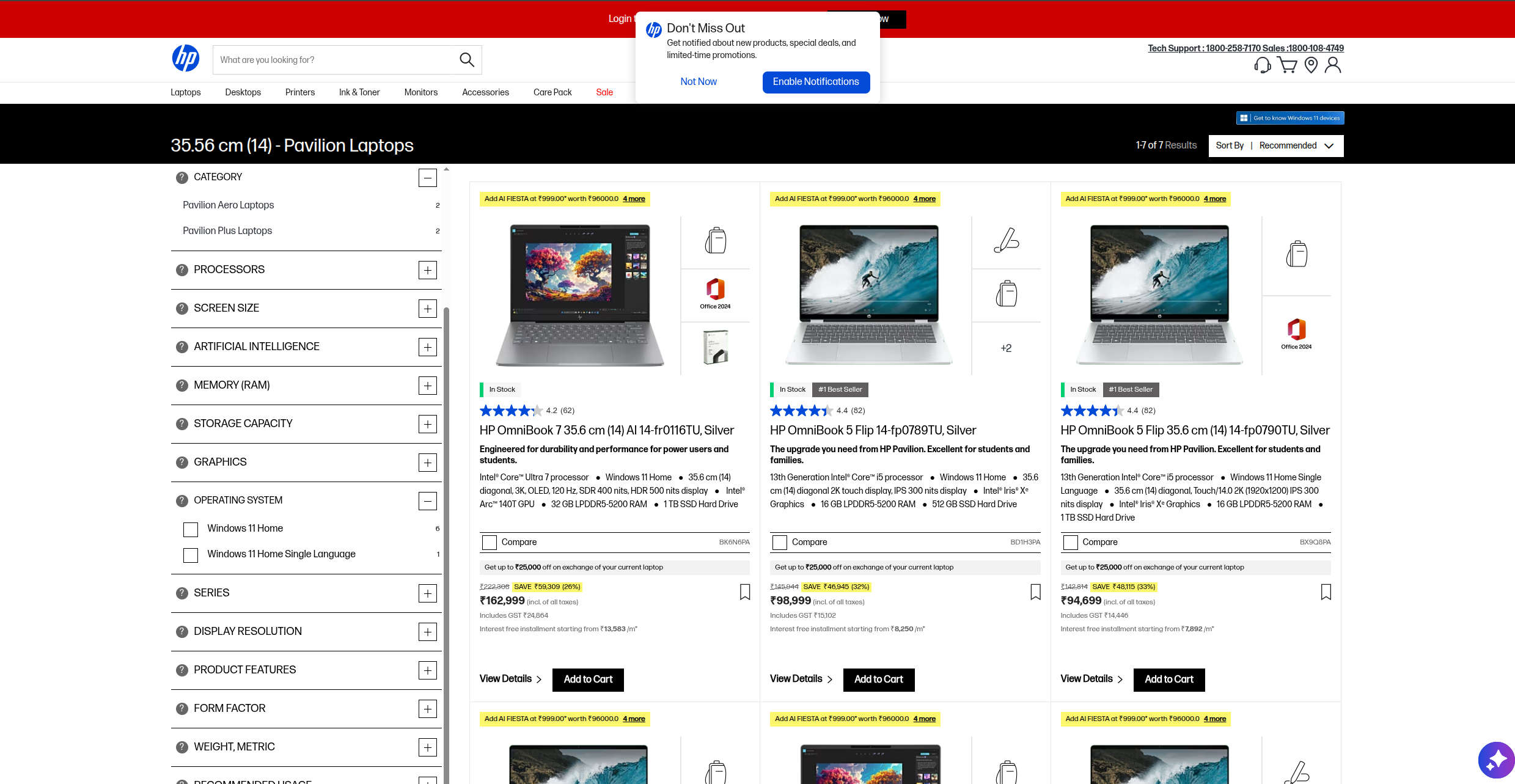
HP's filter? Nonexistent. Want to filter by OS? They offer Windows 10, Windows 11, and... that's it. That's the entire spectrum of consumer choice. They've streamlined their website the way a dictator streamlines elections. The message is clear: "Buy Windows or buy nothing."
Honest question for HP executives: Does that Microsoft check clear more than you'd make from happy customers who actually got what they wanted?
DELL: Following the Money
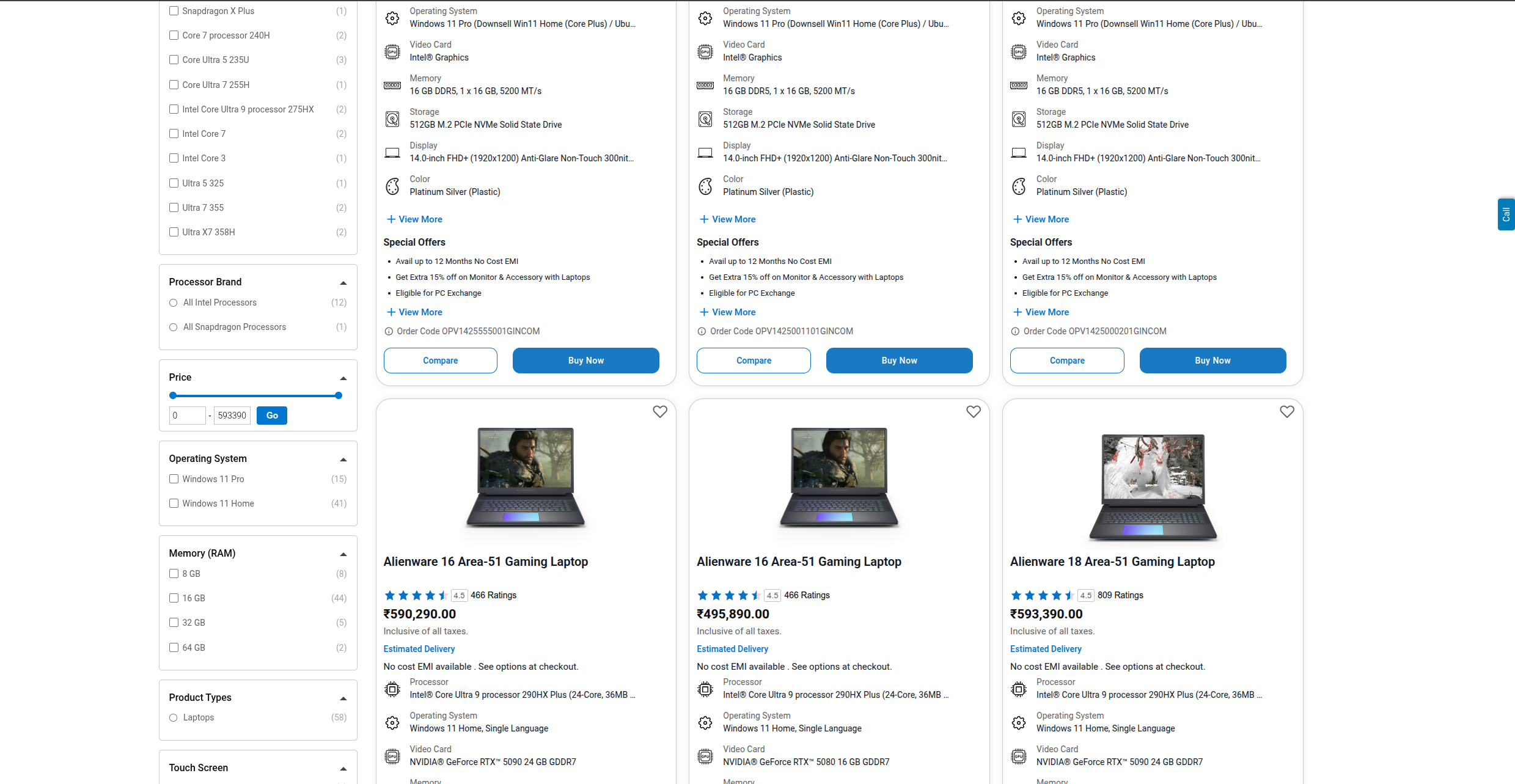
Dell has mastered the art of subtle coercion. Their website offers you the illusion of choice—Windows variants, Intel, AMD, different colors—everything except, you know, actual operating system freedom.
Funny thing: Dell sells Developer Editions with Ubuntu in the US. But here? Forbidden fruit. Because apparently, Indian developers aren't qualified for such radical freedom. We're expected to be grateful for what corporate overlords decide we deserve.
Lenovo: The Token Gesture
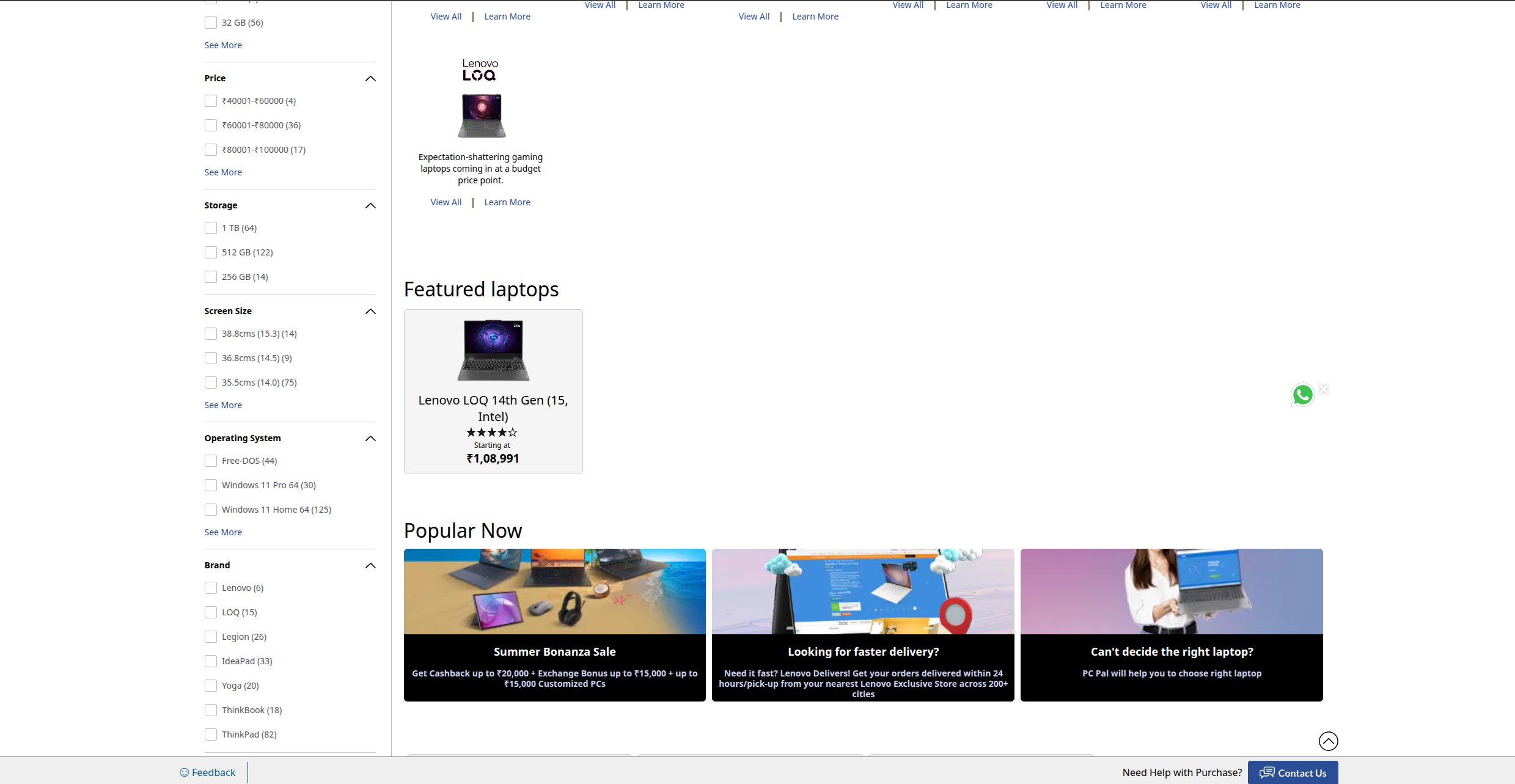
To Lenovo's credit—and this is genuinely the bare minimum—they occasionally offer FreeDOS as a no-OS option. Except FreeDOS is basically "let's pretend this is a real operating system." It's the corporate equivalent of offering someone a plastic cup of water and calling it champagne.
The fact that this counts as progress says everything about the current state of the market.
ASUS: The Chrome OS Punchline
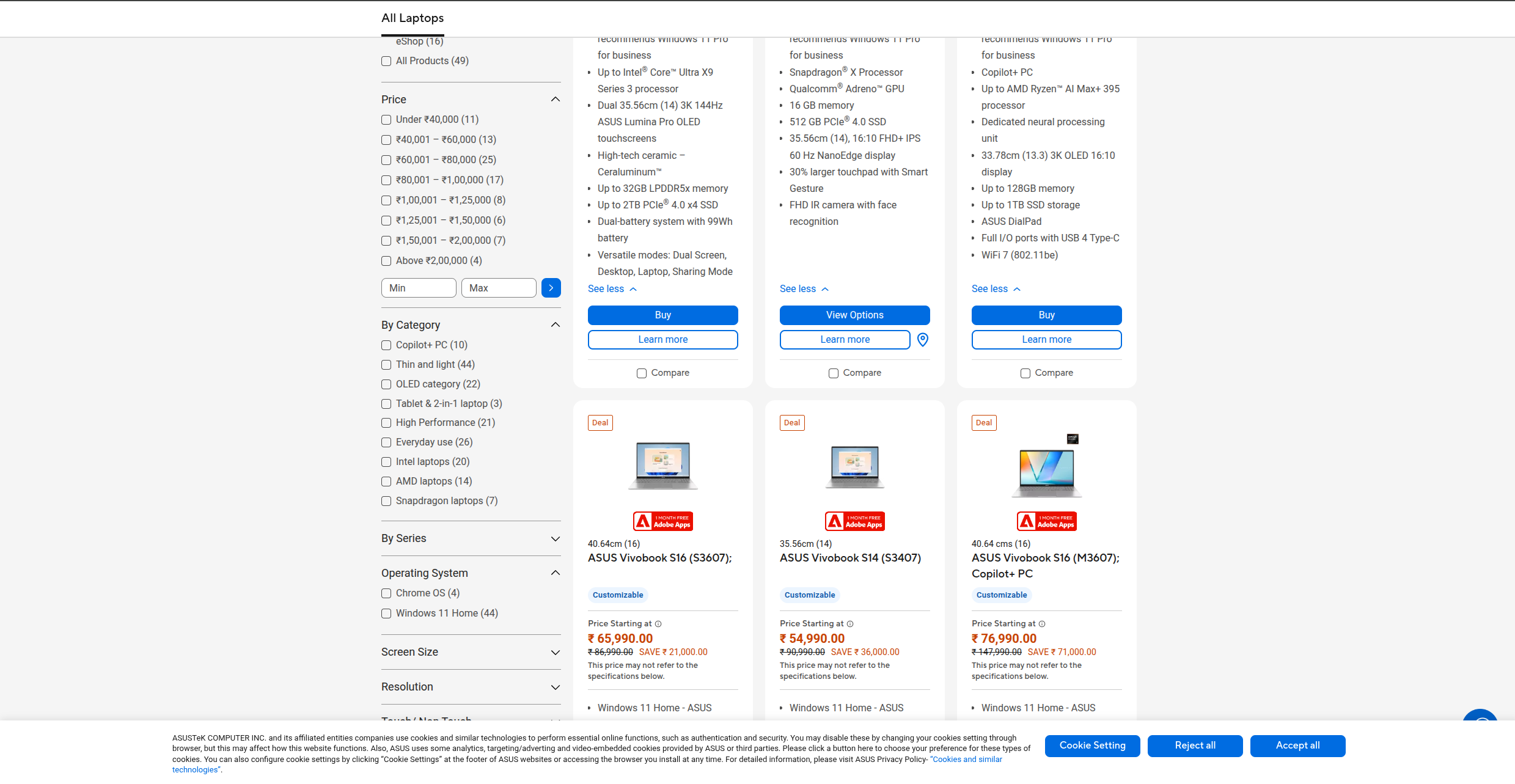
ASUS does offer Chrome OS... if you're into cloud-dependent computing and don't mind having Google as your backup dictator. "Sorry, no Linux, but here's something equally proprietary and equally lock-in-y!"
Chrome OS has its uses, sure. But it's Microsoft's competitor, not actually freedom. ASUS looked at the market and said, "Let's give them a choice between two corporations," which is technically choice in the way a loaded gun is a breakfast option.
Acer: The Complete Surrender
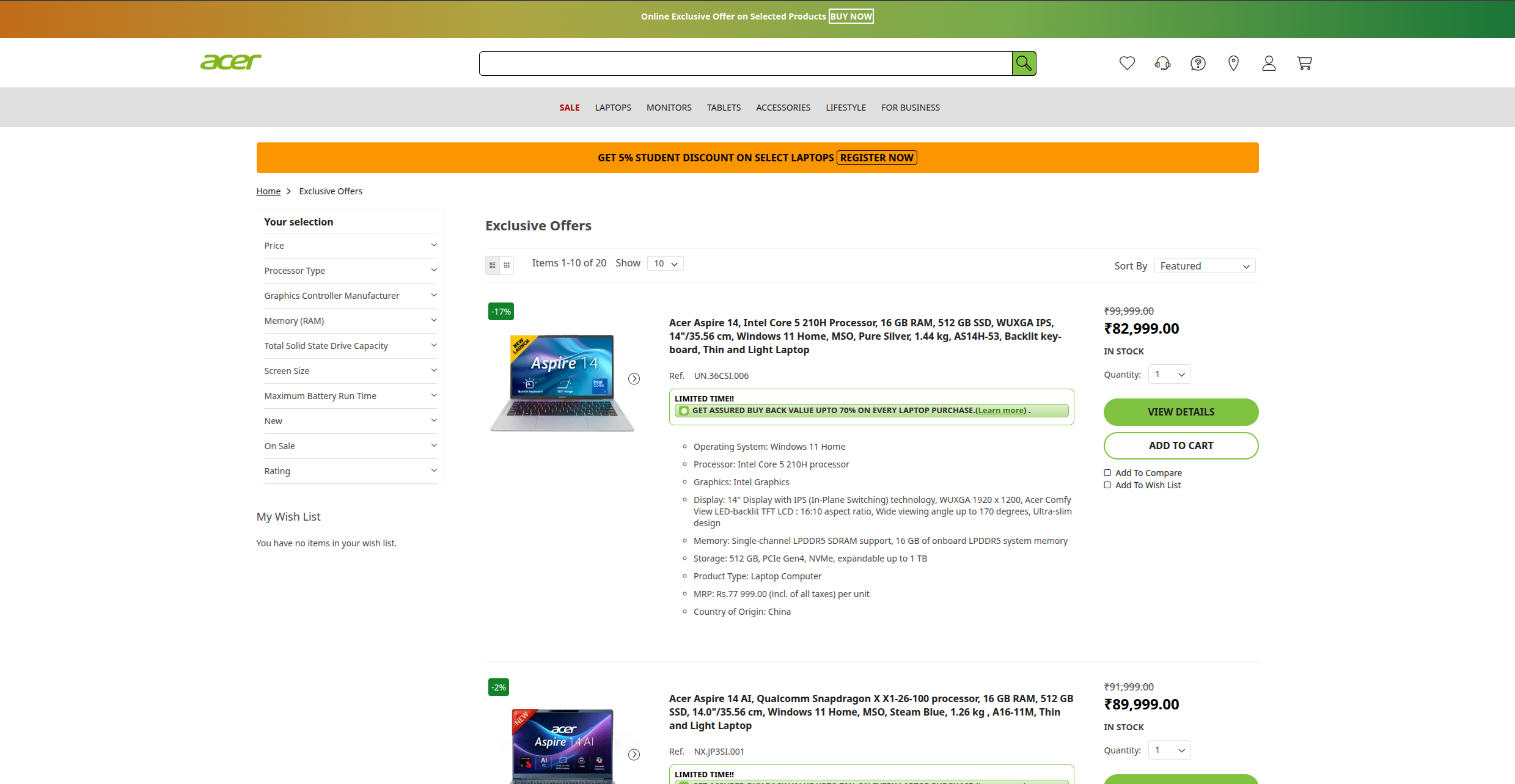
Acer deserves special mention because they didn't even bother with filters. Their website is just... here's laptops, all Windows. No pretense. No token gestures. Just naked capitulation.
Every Acer executive who signed off on this should be photographed standing next to their Microsft check. At least we'd know what they were actually selling.
So What's Really Happening Here?
This isn't incompetence. This isn't lack of technical capability. This is pure economics.
Microsoft has a well-documented practice of offering volume discounts and incentives to OEMs—but only if they agree not to promote competitors. It's anticompetitive? Sure. Illegal in some jurisdictions? Probably. But Microsoft's legal budget is larger than most countries' GDPs, so who's going to stop them?
The math is simple for OEMs: - Sell Windows laptops → get Microsoft kickback - Sell Linux laptops → get nothing + customer support burden + smaller addressable market
In a race to the bottom, the company that sells out always wins financially.
The Broader Tragedy
What kills me is that Linux has genuinely become enterprise-grade. Developers prefer it. DevOps engineers default to it. Startups run on it. But the consumer laptop market remains a Microsoft fiefdom because that's how the incentives are structured.
OEMs could offer dual-boot. They could pre-install Linux. They could let consumers choose. But that would be admitting they see value in competition, and Microsoft punishes that kind of honesty.
CONCLUSION: Welcome to Digital Feudalism
If you live in India and want a Linux laptop? Congratulations—you're now part of a market segment that OEMs have collectively decided doesn't exist.
You have three choices: 1. Buy Windows, dual-boot Linux (void your warranty, good luck) 2. Buy from international retailers (pay 2-3x the price + import duties) 3. Join a niche community of Framework/System76 users and accept that you're in a club of approximately 47 people
Microsoft didn't need to make a product so good that it conquered the market. They just needed to make sure the distribution channel was locked down tight enough. And congratulations to every OEM executive who made that happen—your paycheck cleared.
The real innovation isn't in the software anymore. It's in the market manipulation. And on that front, Microsoft remains unmatched.
Now if you'll excuse me, I need to go contemplate buying a refurbished ThinkPad from 2015 and installing Linux on it. Welcome to freedom, where you pay for the privilege of technical knowledge.